
光纤组件测试
光纤组件的性能最终需要在生产环境中得到验证,而不仅仅是在实验室演示中表现良好。本应用聚焦于插入损耗(IL)、回波损耗(RL)/背向反射以及极性(光纤映射)等关键指标的生产级测试验证,适用于从单工、双工跳线到 MPO/MTP 等高密度多芯光纤组件。
通过稳定的测量方法、受控的光信号发射条件以及支持自动化的光开关架构,可确保不同操作人员、不同班次及不同生产地点之间获得一致的测试结果。其目标十分明确:实现快速的合格/不合格判定,并提供可追溯的测试记录,以减少返工并保障后续系统性能。
探索应用方案
光纤组件测试是在时间限制下实现精准计量
对于光纤组件制造而言,技术挑战并不只是“测量损耗”。真正的挑战在于,如何在高吞吐量生产环境下,持续、可靠地完成损耗与反射测试,同时验证多芯光纤产品的光纤映射(Fiber Mapping)和极性(Polarity)是否正确。
这意味着需要对整个测试流程进行控制,包括:
* 光信号发射条件(Launch Condition)
* 参考测试方法(Reference Method)
* 重复连接过程(Reconnections)
* 操作人员步骤(Operator Workflow)
* 测试数据追溯(Data Traceability)
而不仅仅依赖于仪器本身的规格参数。
Santec 的测试方案正是基于实际生产需求而设计。自 2002 年以来,Santec 持续开发光纤组件测试设备,其平台可从实验室台式测试站扩展至自动化生产单元,并支持光开关系统、条码管理流程以及数据库记录功能,以满足不断增长的生产规模和自动化需求。
插回损测试仪
RLM-100 专为生产测试和实验室应用而设计。全新优化的积分球探测器仅需一次连接,即可对高密度 72 芯 MTP/MPO 连接器及双工 LC 连接器进行回波损耗(Return Loss, RL)测量,从而提升测试效率并简化操作流程。
光纤组件测试需要验证哪些关键指标
1)插入损耗(Insertion Loss, IL)
插入损耗是评估光信号传输质量最直接、最快速的指标,同时也是最容易受到生产工艺波动影响的测试项目。
影响 IL 的主要因素包括:
* 光纤端面状态
* 研磨质量
* 插芯(Ferrule)对准精度
* 连接器配接状态
对于需要多波长验证的应用场景,生产测试通常需要在多个波长下完成测量,同时又不能显著增加操作时间。
例如,在 ILM-100 配置下,仅进行双波长插入损耗测试时,可在 1 秒以内完成整个测量过程,从而满足高速生产环境的效率要求。
2)回波损耗 / 背向反射(Return Loss / Backreflection, RL/BR)
反射问题本质上属于系统级问题。
过大的反射可能导致:
* 链路裕量下降
* 系统噪声增加
* 对反射敏感的收发器出现不稳定现象
因此,在生产环境中,即使面对较短的被测组件(DUT)、不同类型的连接器以及可能产生干扰的寄生反射,回波损耗测试仍需保持稳定、准确和可重复。
随着数据传输速率持续提升,回波损耗测试的重要性也在不断增加。
如今,在大多数光通信应用领域,对所有光纤组件同时进行插入损耗(IL)和回波损耗(RL)测试已成为行业标准要求。RLM-100 采用基于 OTDR(光时域反射仪)的测量架构,在保持同等测试精度的前提下,测试速度可达到其他高端测试方案的两倍。同时,其用户自主校准等功能进一步提升了生产效率和使用便利性。
凭借高速、高精度以及易于维护等优势,RLM 系列产品已在全球范围内广泛应用,并逐渐成为光纤组件 IL/RL 测试领域的重要标准解决方案。
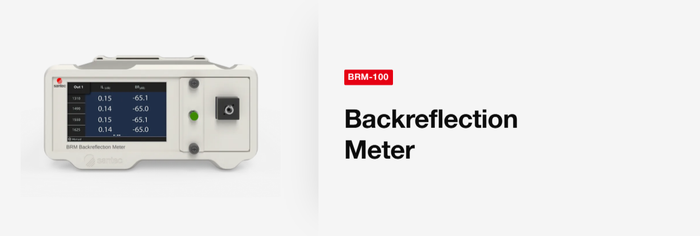
对于波长范围、光纤类型或测试对象存在特殊要求的定制化应用,以及光纤阵列单元(Fiber Array Unit)等无源器件测试场景,背向反射测试仪 BRM-100 可作为基于 OCWR(Optical Continuous Wave Reflectometry,连续波反射测量)的替代方案。
凭借极高的光学稳定性以及灵活的定制能力,BRM-100 能够适应各种应用需求,为不同测试场景提供可靠的回波损耗和背向反射测量解决方案。
3)极性测试 / 光纤映射(Polarity / Fiber Mapping)
对于多芯光纤组件而言,最常见的失效问题往往来自极性错误。
例如,在连接器组装过程中,如果操作人员错误地安装其中一根光纤,通常需要对整个连接器进行返工处理。因此,快速、准确的极性检测对于提高大批量生产测试效率至关重要。
RLM-100 结合积分球(Integrating Sphere)与极性检测器(Polarity Detector)的 SP 探测器配置,可在单次测试流程中同时完成:
* 插入损耗(IL)测试
* 回波损耗(RL)测试
* 极性测试(Polarity Testing)
系统可先对极性进行快速合格/不合格(Pass/Fail)判定,并在确认极性正确后自动继续执行 IL 和 RL 测试,从而减少人工操作并提升整体测试效率。
容易被忽视的关键因素:发射条件控制与测量重复性
对于多模光纤组件测试而言(以及任何对光功率分布敏感的应用场景),测量结果的重复性很大程度上取决于发射条件(Launch Condition)是否得到有效控制。
如果发射条件不符合规范,即使采用数据平均等软件处理方法,也无法从根本上解决测试结果波动的问题。
因此,Santec 的发射条件控制方案专门针对行业标准要求进行设计,可满足包括:
* 包围通量(Encircled Flux,EF)
* 其他标准规定的发射条件
在内的多种测试规范要求,确保测试结果具备良好的可重复性和可比性。
对于多模版本的 RLM、BRM 以及 ILM 系列产品,其内部发射条件控制均按照 IEC 61280-4-1 包围通量(Encircled Flux)标准进行校准和优化,从而保证测试结果符合行业规范要求。
在保证测试严谨性的同时提升测试效率:减少重复连接,简化参考流程
在生产测试环境中,有一条非常实用的原则:每增加一次连接操作,就增加一次测试结果波动的风险,同时也增加了测试延迟、操作失误以及连接器污染等问题发生的可能性。
因此,现代光纤组件测试系统正逐步向“单次连接(Single Connection)”和集成化测试流程发展,以提高测试效率并减少人为因素带来的影响。
Santec 的 RD-P / RD-SP 方案正是基于这一理念设计。通过将远程检测头(Remote Head Detector)集成到 RLM 与光开关系统架构中,可在同一测试流程内完成多芯光纤组件(如 MPO 或双工 LC 组件)的:
* 插入损耗(IL)测试
* 回波损耗(RL)测试
* 极性测试(Polarity Testing)
同时确保所有测试结果统一存储和管理。
RD-SP 还支持面向生产环境优化的自动测试流程。例如,对于一条 12 芯光纤组件,在两个测试波长下完成极性、IL 以及 RL 测试,整个流程可在 35 秒以内完成。
自动化与数据追溯:可信度来自完整记录,而不仅仅是测试结果
对于制造企业而言,测试结果的可信度不仅来自测量本身,更来自完整且可追溯的数据记录。
当出现质量问题时,企业需要能够回答以下问题:
* 实际测量了哪些参数?
* 使用了什么参考方法?
* 由谁执行测试?
* 是否能够在未来快速调取历史记录?
只有具备完整追溯能力的测试体系,才能真正支撑生产质量管理和客户审计需求。
Santec Cable Assembly 软件作为统一的操作平台,可对相关测试设备进行集中控制,包括:
* RLM 系列回波损耗测试仪
* OSX 光开关系统
* RD-P 远程检测头
* PTM 功率计模块
同时结合 XNS 数据库作为数据存储平台,将插入损耗(IL)、回波损耗(RL)以及极性测试结果统一保存于同一条可追溯记录中,实现测试数据的集中管理与完整追踪。


