Back to top
-
  • CES

CatEye型
外部共振器SAFレーザ

CES

概要

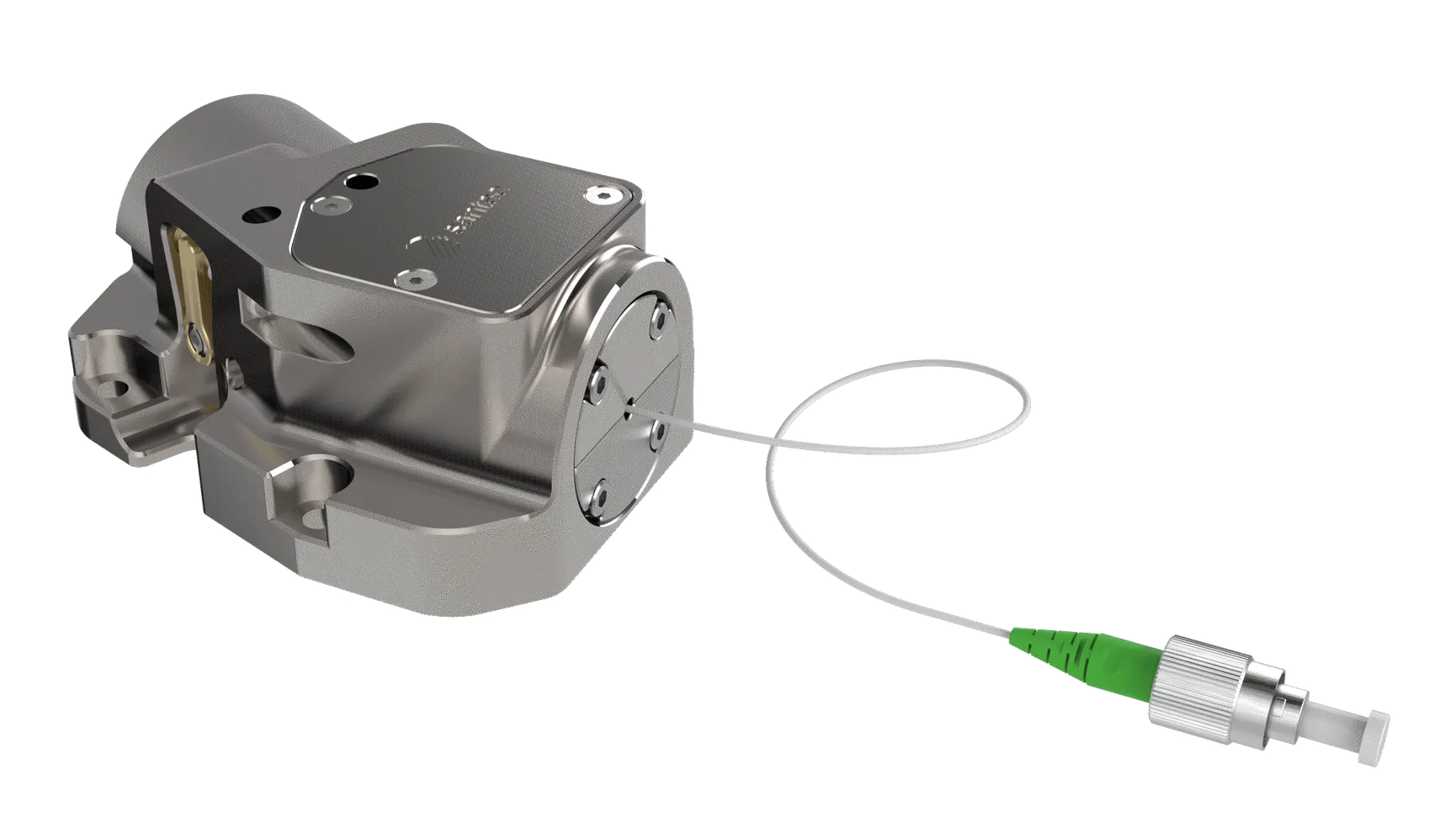
CatEye型外部共振器SAFレーザ (CES)は、光学アンプやファイバアンプによる直接増幅に加え、周波数変換システムとの組み合わせにより、第2高調波発生や和周波・差周波混合にも対応します。近赤外域を中心に、高コヒーレンス光源を必要とする量子光学・精密分光・非線形光学実験に適しています。CESは、CatEyeフィルタ技術とバタフライパッケージの単一斜面ファセットダイオードを組み合わせた構成により、極めて狭い線幅(5 kHz)と非常に広い波長可変域を同時に実現しています。多くのモデルで内蔵ファラデーアイソレータとファイバ結合出力を備え、光フィードバックに強く、実験系への高い再現性と安定性を提供します。対応波長は約960 nm~1610 nm、さらに2 µm帯(~1970 nm)までカバーし、非線形変換による可視・中赤外光源への展開も容易です。フィルタ交換により広帯域対応が可能で、用途に応じた柔軟な構成が選択できます。狭線幅・高安定・ファイバ出力を重視する先端研究に最適な波長可変レーザです。​
Ultra-narrow linewidth (down to sub kHz)

Supports high-coherence applications such as interferometry, precision spectroscopy, and quantum systems

Broad wavelength tunability

Covers a wide spectral range from 1000nm to 1970 nm, enabling flexibility across multiple applications and atomic transitions.

Fibre-coupled output for easy integration

Delivers stable, alignment-free output directly into fibre systems, simplifying experimental setups and system design.

Integrated isolation options

Many configurations include an internal Faraday isolator to minimise feedback sensitivity and improve stability.

Compact, robust architecture

Combines the stability of cateye filtering with the reliability of butterfly-packaged SAF diodes in a turnkey laser module.

特徴

  • CatEyeフィルタ設計による高い周波数安定性​
  • 高速ピエゾ・フィードバック対応​
  • 高精度な波長調整機構​
  • 高帯域の直接変調入力​
  • マイクロ波RF変調対応​
  • 対応波長範囲: 980~1610nm、1860~1970nm​
  • ダイオード保護回路および保護リレーを内蔵​
  • 音響ノイズに強く、受動的に高い安定性​
  • 狭線幅・高コヒーレンス出力​
  • 低周波数ノイズ​
  • 自己整合(セルフアライメント)設計​
  • 高いフィードバック帯域幅​
  • 専用デジタル・ダイオードレーザコントローラで駆動可能

System Integration

CES systems support an integrated laser diode controller (mLC), internal isolator and fibre-coupled output, enabling a compact, all-in-one laser solution with USB or TCP/IP connectivity.

CES lasers are designed for seamless integration into fibre-based systems. They can directly seed optical or fibre amplifiers for power scaling or be used with nonlinear conversion modules to generate visible and mid-infrared wavelengths through harmonic generation and mixing.